2026-09-12
Hospital Hygiene & Sterilization Protocols: Pre-Procedure Prep, Pain Management, and Conscious Sedation Through Nursing Care
An overview of hospital hygiene, sterilization, and nursing protocols covering sterile drapes, pain relief tools, and conscious sedation prep.
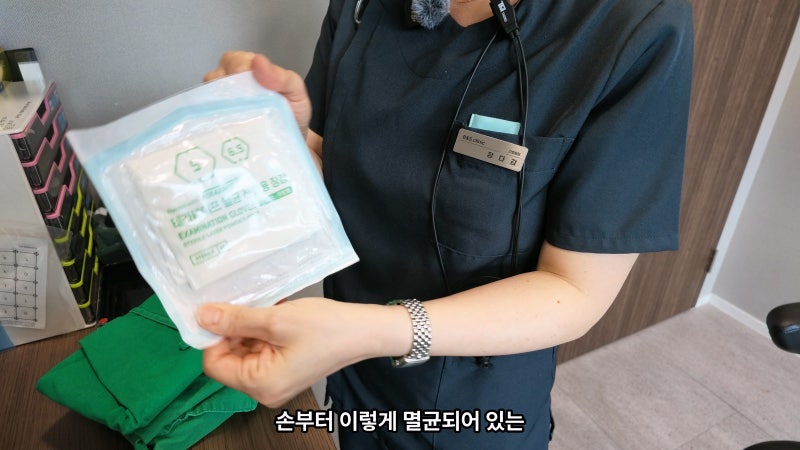
a. Hospital hygiene and sterilization management begin with verifying sterile supplies, medical instruments, and sterile fields prior to any procedure.
b. Procedure pain management can be tailored according to medical assessment, taking into account individual pain sensitivity, the nature of the procedure, and general health status.
c. Preparation for conscious sedation procedures involves checking vital sign monitors, oxygen supply devices, and emergency response equipment alongside drug infusion systems.
Hello, this is Samsung B&S Clinic.
What patients see upon entering the treatment room is merely part of the comprehensive pre-procedure preparation. Before any procedure begins, the nursing team inspects sterile gloves and instruments and prepares the essential sterile drapes and antiseptic supplies.
When pain management is required, auxiliary tools are readied based on the patient's condition and the procedure's characteristics. If conscious sedation is planned, monitoring equipment for vital signs and emergency preparedness supplies are also thoroughly checked.
Today, we will take a step-by-step look at how the nursing team conducts hospital hygiene and sterilization management, starting from the pre-procedure stage.
1. The start of pre-procedure preparation: How are sterile gloves verified?
When preparing for a procedure, careful control is required to reduce the risk of contamination from the medical staff's hands or the surrounding environment.
Accordingly, the sterile gloves used during treatments are prepared only after verifying packaging integrity and management control information.
Sterile supplies feature indicators confirming proper sterilization and management dates; the nursing team inspects packages for any damage before opening them.
For facial treatments, sterile drapes and disinfection sets are prepared in advance. Disinfection trays may include various instruments such as surgical scissors and medical forceps that might be needed. This preliminary check forms the foundational step of hospital hygiene and pre-procedure prep.
2. Why sterile drapes are used around the treatment area
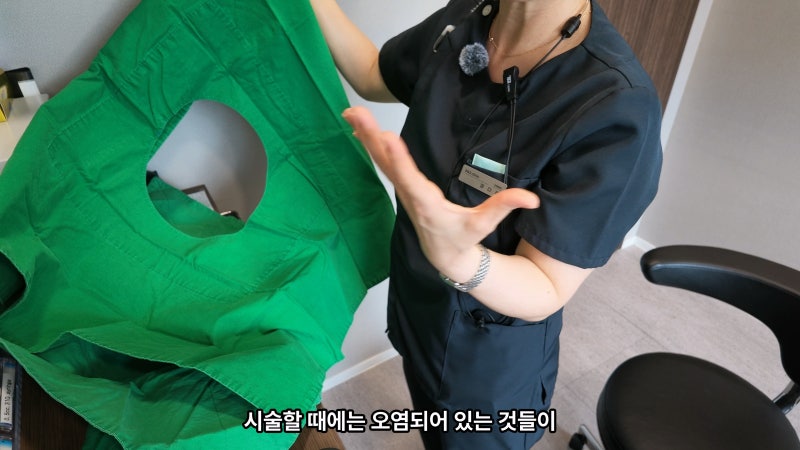
During facial procedures, areas surrounding the treatment site are covered with sterile drapes, leaving only the targeted area exposed.
This process isolates the necessary field and minimizes exposure to the external environment.
Great care must be taken when unpacking and placing sterile drapes to maintain a sterile field. Medical staff ensure hands or external objects do not make unnecessary contact with the sterile field, and only instruments that have undergone designated disinfection or sterilization are introduced.
Used fabric drapes are transferred separately, washed, dried, repackaged, and sterilized according to established protocols before storage. Hospital sterilization management is not merely a one-time disinfection; it is managed as a continuous cycle from use to reprocessing and storage.
3. Why hygiene management varies by procedure type
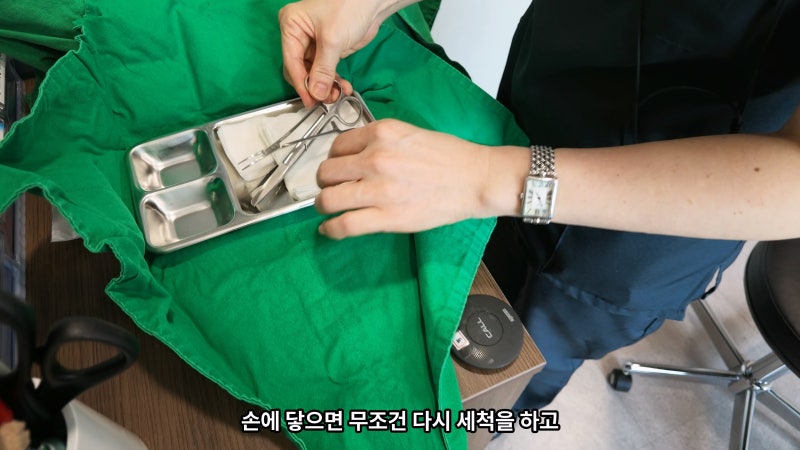
Not all procedures involve identical preparation.
While some treatments involve minimal bleeding, required supplies vary depending on the patient's condition, the treatment site, and the technique used.
For example, procedures where medical instruments penetrate beneath the skin call for sterile drapes, gauze, scissors, medical forceps, and hemostatic instruments to address potential bleeding or contamination risks.
If a prepared instrument falls outside the sterile field or touches a potentially contaminated surface, it cannot be used as-is; it must be rewashed, then disinfected or sterilized according to its material specifications. Confirming the specific procedure type in advance and preparing accordingly is an essential part of nursing duties.
4. Stress balls for procedural anxiety
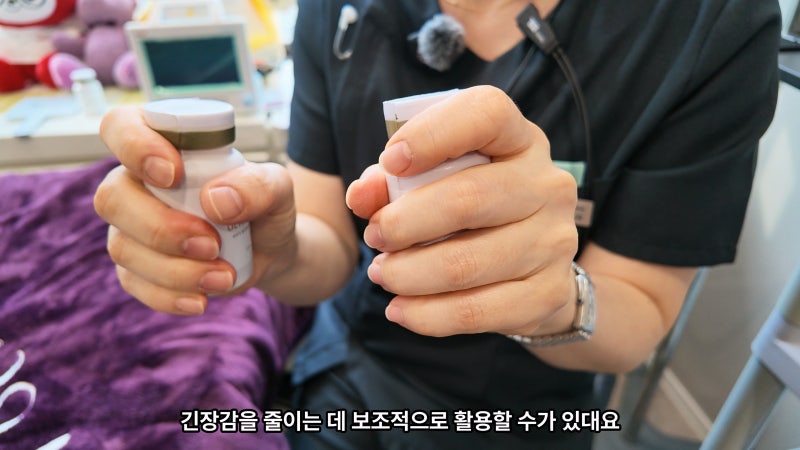
Prior to procedures involving needles or anticipated discomfort, some patients experience tension, clenching their hands or tensing up.
In such cases, the nursing team may provide a squeezable stress ball. Squeezing an object acts as an auxiliary distraction method to divert focus away from procedural anxiety or nervousness.
However, this approach is not necessary for every patient. It is utilized when appropriate, taking into account the patient's preferences, condition, and treatment context.
5. Vibrating devices as supportive pain management tools
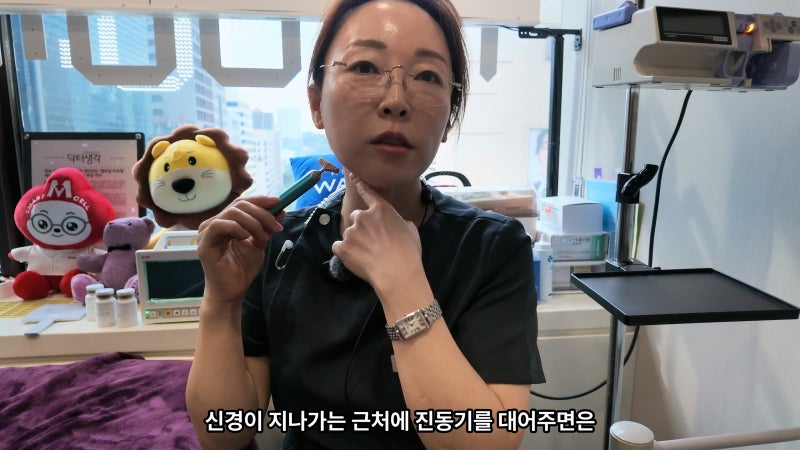
Supportive tools that transmit vibrational stimulation to the skin are sometimes utilized for procedure pain management.
This technique delivers vibrational sensations around the treatment site while injections are administered.
Vibrating devices are not intended to eliminate pain entirely; rather, they serve as distraction aids based on the gate control theory so the patient does not focus solely on discomfort.
Whether to use vibration and where to place it is determined after assessing the treatment site and the patient's skin condition. Because pain perception varies between individuals even for the same procedure, evaluating the patient's state beforehand is essential.
6. Ice rollers utilizing cooling sensations
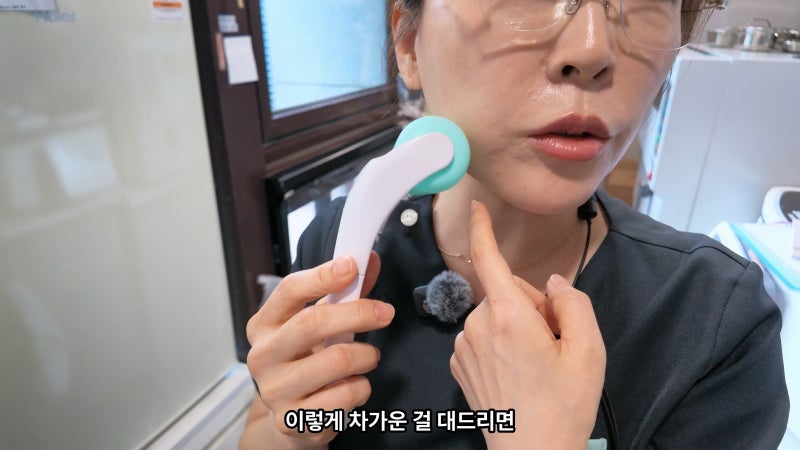
An ice roller is an auxiliary cooling tool that delivers cold stimulation to the skin surface.
It can be applied as needed during botulinum toxin treatments or select injectable procedures.
Applying a chilled tool to the skin during manual injections or automated micro-injections helps alleviate discomfort through thermal distraction and vasoconstriction.
However, skin reactions to cold stimuli vary from person to person. It is vital to apply cooling only when suitable after evaluating skin condition, procedure type, and treatment area.
7. Stepwise pain management for sensitive patients
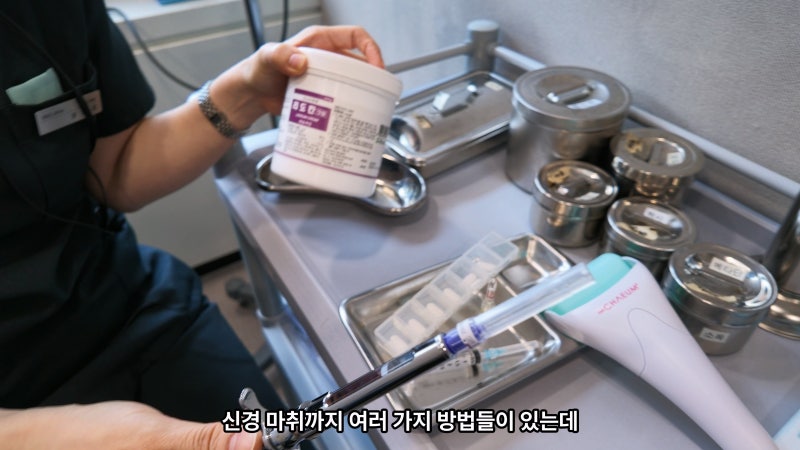
Many individuals hesitate to undergo treatments such as Rejuran or Thermage due to concerns regarding pain.
Perception of discomfort varies across individuals even for the same procedure.
Typically, topical anesthetic creams are applied first. If a patient exhibits high pain sensitivity or if the treatment area is extensive, medical staff can evaluate additional anesthetic modalities.
The choice of anesthesia is never based solely on patient preference. Medical staff determine clinical suitability after reviewing current health status, medical history, current medications, and the area and scope of treatment.
Therefore, customized and staged pain management tailored to individual needs is essential rather than relying on a single uniform approach.
8. Pain management with automated drug delivery systems
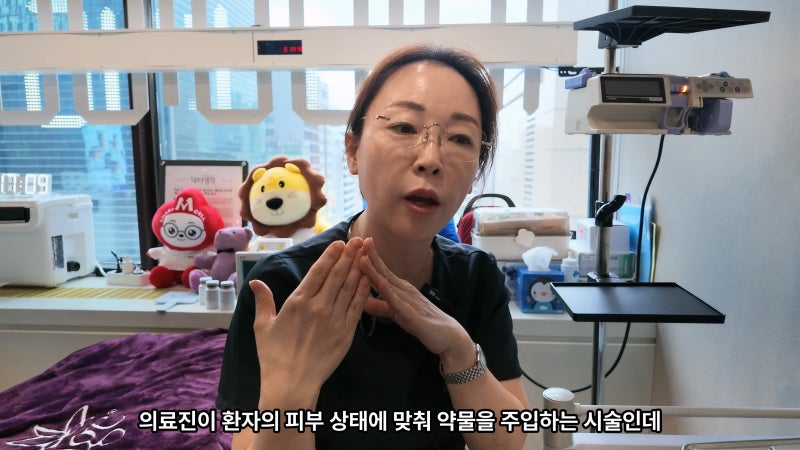
Certain skin booster procedures utilize automated injectors such as the DermaShine system.
In these treatments, medical staff deliver solutions into the dermis using specialized automated equipment based on treatment goals and skin evaluation.
Because these devices utilize suction to stabilize the skin during injection, some patients experience localized discomfort. Depending on medical judgment, topical anesthetics, analgesics, or injectable nerve blocks may be incorporated.
If discomfort persists despite these interventions, auxiliary tools like ice rollers can be combined. The ideal combination depends on individual pain threshold, skin characteristics, and treatment details.
9. Essential pre-checks prior to conscious sedation
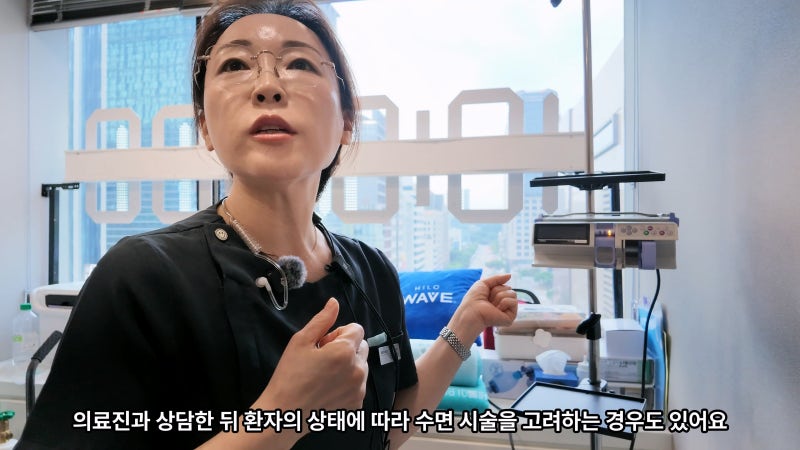
When procedure-related anxiety remains overwhelming despite standard pain management modalities, conscious sedation may be considered following consultation and medical evaluation.
Conscious sedation cannot be administered simply on request; a comprehensive assessment of current health status, medical history, and current medications must take place first. The physician then determines whether the patient is a safe candidate for sedation.
Moreover, patient vital signs must be continuously monitored throughout the sedation period. The choice of sedative agent and administration protocol are determined by medical discretion in accordance with procedural requirements and patient safety.
For this reason, conscious sedation prep involves far more than merely drawing up sedative medications.
10. Monitoring vital signs and infusion equipment in sedation prep
During conscious sedation, dedicated syringe pumps or target-controlled infusion systems may be used to deliver medications at controlled rates.
The medical practitioner sets the appropriate infusion rate and dosage based on continuous evaluation of the patient.
However, automated devices never substitute for clinical vigilance. Throughout the procedure, the medical team must actively observe the patient's state and depth of sedation.
Preparation for sedation procedures includes thorough calibration and readiness checks of vital sign monitors tracking blood pressure, pulse, and oxygen saturation (SpO2). Verifying oxygen cylinders and delivery circuits in advance is an indispensable safety measure.
11. Emergency equipment and emergency medications within nursing protocols

Procedures performed under sedation demand rigorous, uninterrupted monitoring of airway patency, respiration, and vital signs.
Accordingly, emergency equipment such as automated external defibrillators (AEDs) and emergency resuscitation supplies are inspected routinely to ensure constant readiness.
Emergency drugs must undergo regular checks for expiration dates and proper storage conditions, along with routine operational checks of emergency equipment.
Having emergency equipment on hand does not alone guarantee safety; true safety relies on a seamless continuum of pre-procedure screening, vigilant intra-procedure monitoring, and immediate, trained clinical response when required.
12. The final step of sterilization management: Autoclaves and proper storage
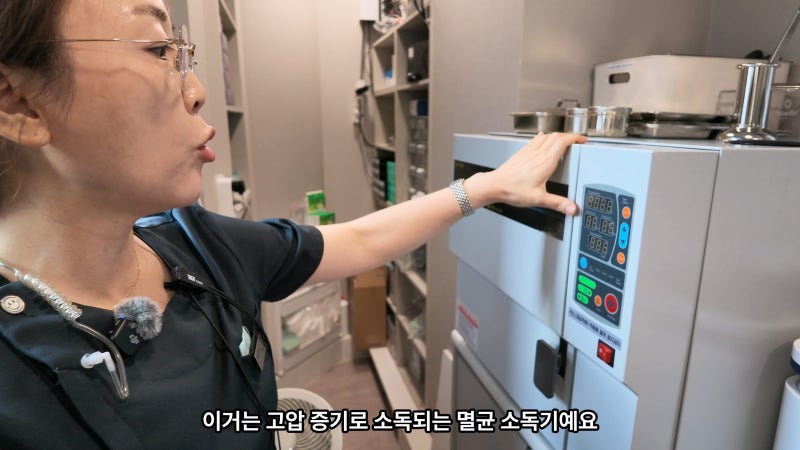
Used surgical instruments are thoroughly cleansed using methods suited to their material and purpose, followed by disinfection or high-level sterilization.
Clinics utilize autoclaves (high-pressure steam sterilizers) that deploy high temperature and pressure to sterilize heat-stable instruments. However, because different instruments require different processing methods, specialized low-temperature sterilization may be used according to material compatibility.
Once sterilization is complete, instruments are stored in designated clean storage areas and sealed containers. Prior to clinical use, packages undergo secondary inspection to verify seal integrity, sterilization chemical indicators, and management dates.
Ultimately, hospital hygiene and sterilization management are not confined to the moments right before a procedure. The entire lifecycle—cleaning, sterilization, storage, and pre-use verification—represents critical behind-the-scenes work performed by the nursing team.
Pre-procedure preparation extends well beyond laying out required instruments. It encompasses sterile gloves, drapes, surgical tools, supportive pain management devices, conscious sedation systems, vital sign monitors, and emergency preparedness supplies.
This article provides general medical information regarding hospital hygiene, sterilization management, and pre-procedural workflows, rather than guaranteeing specific outcomes or treatment efficacy. Specific clinical techniques, anesthesia choices, and pain management plans are determined by medical staff based on individual health conditions and procedure types.
Chief Medical Director's Official Blog
Watch our video demonstrating the nursing team's practical preparation workflows, covering hospital hygiene, pain management, and sedation readiness.
Frequently Asked Questions
Why are sterile drapes placed around the treatment area?
Sterile drapes are used to expose only the targeted procedure site while minimizing contamination from the surrounding area. During facial treatments, drapes maintain a sterile barrier between the treatment field and non-sterile surroundings. Reusable fabric drapes undergo laundering, drying, repackaging, and autoclave sterilization to ensure safety before reuse.
What auxiliary tools are used to relieve pain during procedures?
Supportive devices include stress balls, vibrating tools, and ice rollers. Squeezing a stress ball helps ease psychological tension, while vibrating devices or cooling ice rollers distract sensory perception from needle injections. Their application depends on the patient's skin tolerance and procedure type.
Can conscious sedation be performed upon patient request?
No, sedation cannot be initiated solely based on patient preference. Conscious sedation requires prior medical evaluation of general health, past medical history, and concurrent medications to ensure clinical eligibility. The type of sedative agent and administration route are determined by professional medical judgment for patient safety.
Why is vital sign monitoring essential during sedation procedures?
Vital sign monitoring allows the medical team to continuously observe real-time physiological status during sedation. Pre-sedation preparation includes checking blood pressure monitors, pulse oximeters, and oxygen delivery equipment. In addition, emergency gear such as AEDs and emergency drugs are verified to guarantee immediate response readiness.
How are used medical instruments sterilized and stored?
Instruments are cleaned according to material specifications and sterilized via autoclaves or suitable sterilization systems. Following sterilization, tools are stored in clean, designated storage units. Immediately before use in subsequent procedures, packaging integrity, chemical indicators, and expiration dates are re-inspected.